Introduction
Growth changes the way a veterinary practice uses space, people, and technology. A clinic that once managed a predictable appointment schedule may begin handling more procedures, longer treatment days, more complex diagnostics, and a wider range of patient sizes. At that point, buying veterinary equipment is no longer a matter of replacing a single worn item. It becomes a capacity-planning decision that can affect staff movement, room turnover, cleaning routines, service consistency, and the practice’s ability to add new clinical workflows.
The most useful purchasing plan starts with the work the practice expects to perform. Buyers should identify where demand is increasing, which tasks create bottlenecks, and what supporting infrastructure each new device requires. A feature-rich product may still be the wrong choice if it does not fit the room, local utilities, cleaning process, staff competencies, or procurement documentation required at the destination.
ClearSight offers a portfolio that spans surgery and treatment, diagnostic and laboratory work, infusion support, and oxygen-therapy or warming applications. This guide discusses those stable product categories rather than individual stock-keeping units. That category-level approach shows how veterinary equipment can be planned as a connected workflow while keeping the article useful when configurations, catalog listings, or product availability change.
This article gives European and North American B2B buyers a structured way to evaluate those solutions. It does not replace clinical protocols, local regulatory advice, or a current written quotation. It deliberately avoids individual model codes and model-level price comparisons. Instead, it explains how to define requirements, review an offered configuration, plan installation, and build acceptance checks before an order is finalized.
Start with Capacity, Not a Product List
A growing practice should first translate its business plan into operational demand. Useful inputs include current and expected patient volume, procedure mix, average room occupancy, laboratory turnaround targets, inpatient capacity, staff availability, and the physical limitations of the facility. This prevents a common mistake: buying a technically capable device without resolving the surrounding workflow.
For example, an electric operating table may reduce manual positioning effort and support a broader range of procedures, but the buyer must still account for its working envelope, power connection, drainage or fluid collection, and cleaning access. A ceiling-mounted light can free floor area, yet it requires structural and installation planning. A centrifuge can improve in-house sample processing only when the selected rotor, tube types, operating procedures, and maintenance responsibilities match the clinic’s actual laboratory work.
The same principle applies to critical care. An oxygen chamber or warming station should be considered as part of a supervised care pathway, not as a stand-alone cabinet. The practice must define intended patients, monitoring responsibilities, oxygen supply, environmental controls, emergency procedures, cleaning, and staff training. In other words, veterinary equipment creates capacity only when the entire operating system is ready to use it.
Growth Signals and Equipment Priorities
| Growth signal | Operational question | Relevant ClearSight solution | Evidence to confirm |
| More surgical cases | Is table adjustment, positioning, lighting, or room turnover limiting throughput? | Operating tables and surgical lighting | Dimensions, movement range, installation drawing, electrical requirements, cleaning method |
| More treatment and infusion hours | Can staff place, observe, and manage infusions within the approved clinical protocol? | Infusion pumps | Syringe compatibility, accessories, alarm and operating information, battery and power details |
| Expanding diagnostic services | Which procedures will be performed in-house, and who is trained to perform them? | Endoscopy systems and centrifuges | Included components, imaging workflow, storage, rotor options, container compatibility, manuals |
| Higher inpatient or recovery demand | Is supervised oxygen therapy or warming part of the planned care pathway? | Oxygen-therapy and warming systems | Chamber arrangement, oxygen interface, controls, monitoring plan, utilities, cleaning procedure |
| New site or additional branch | Can one purchasing specification be repeated across locations? | Multi-category ClearSight solutions | Approved configuration, quality records, packaging, spare parts, training, acceptance criteria |
This table is a starting framework rather than a recommendation to buy every item at once. A small practice may need to solve one bottleneck first, while a multi-site buyer may require a standardized package. The priority should be the solution that removes a verified constraint and can be supported safely by the facility and team.
Build a Modular Equipment Roadmap
Expansion is easier to manage when purchasing is divided into modules. A module groups the device, room, utilities, accessories, staff preparation, documentation, and acceptance tests needed for one workflow. A modular veterinary equipment plan gives buyers a clearer budget and reduces the chance that an essential dependency will be discovered after delivery.
The Surgery and Treatment Module
The surgery module typically begins with the patient support surface, lighting, and the treatment devices used around the procedure. ClearSight’s relevant categories include adjustable operating tables, surgical lighting, and infusion pumps. Buyers should map where people stand, how equipment moves, where power is available, how fluids are managed, and how the room is cleaned between cases before choosing a configuration from those categories.
The goal is not simply to fit veterinary equipment inside the room. It is to preserve safe circulation, clear access to the patient, and a repeatable sequence from preparation to recovery. A floor plan should show the table at its full range of positions, the reach of suspended light heads, nearby mobile devices, doors, storage, and the route used to transfer patients.
The Diagnostic and Laboratory Module
The diagnostic module should be based on the services the practice can consistently staff and support. ClearSight’s endoscopy systems and laboratory centrifuges address different parts of this module. Endoscopy equipment may support visualization and case documentation, while a centrifuge supports sample preparation when its ordered configuration matches the laboratory workflow.
Each device also introduces questions beyond the headline specification. The endoscope buyer should confirm the complete scope of supply, compatible insertion components, cleaning and reprocessing requirements, image export workflow, service plan, and intended procedures. The centrifuge buyer should confirm rotor selection, compatible containers, balancing procedures, laboratory placement, ventilation, and maintenance. These details determine whether diagnostic veterinary equipment integrates smoothly with day-to-day work.
The Critical Care and Recovery Module
ClearSight’s oxygen-therapy and warming categories may interest practices planning supervised oxygen support, recovery, or warming capacity. The suitable arrangement depends on patient volume, available space, the intended care pathway, and the facility’s utilities. Equipment selection must follow a defined clinical and operational protocol. Buyers should confirm oxygen supply requirements, control behavior, display information, heating controls where applicable, environmental conditions, alarm or monitoring provisions, cleaning access, and staff responsibilities.
Facility planning is especially important for enclosed chambers, warming compartments, and consolidated care stations. The buyer should verify overall dimensions, door clearances, heat management, service access, location of utilities, and the movement of patients and staff around the proposed unit. The installation should also be reviewed for local safety and building requirements before shipment.
Product-to-Workflow Map
| ClearSight product category | Configuration considerations | Potential workflow role | Buyer confirmation point |
| Veterinary operating tables | Size, adjustment method, movement range, materials, fluid management and accessory scope | Adjustable patient support for surgery and examination | Load rating, controls, power, surface finish, included accessories, cleaning and service access |
| Veterinary surgical lighting | Mounting type, light-head arrangement, reach, controls and room integration | Illumination for a planned surgical room | Ceiling or mobile support, mounting kit, electrical supply, controls, installation and commissioning |
| Veterinary infusion pumps | Compatible supplies, alarm behavior, mounting, battery support and included accessories | Infusion support within an approved clinical protocol | Compatibility, performance documentation, alarms, accessories, power arrangement and training |
| Veterinary endoscopy systems | Imaging components, recording workflow, compatible instruments and reprocessing needs | Endoscopic imaging and case documentation | Complete scope, compatible components, reprocessing, export formats, service and intended procedures |
| Veterinary centrifuges | Rotor and container compatibility, capacity, controls, placement and maintenance needs | In-house sample processing | Rotor, container compatibility, programs, balancing, power, placement, maintenance and acceptance testing |
| Oxygen-therapy and warming systems | Chamber arrangement, oxygen interface, temperature management, controls and utilities | Supervised oxygen-therapy, recovery, and warming workflows | Dimensions, utilities, controls, monitoring, oxygen source, heat management, cleaning and emergency procedures |
Category descriptions are a basis for a technical conversation, not a substitute for the final sales contract. A buyer should place the agreed product identity, configuration, accessories, performance data, documents, packaging, and acceptance criteria in the quotation or purchase specification. Current availability and the final commercial scope should be confirmed directly with ClearSight.
ClearSight Surgery and Treatment Solutions
獣医用手術台
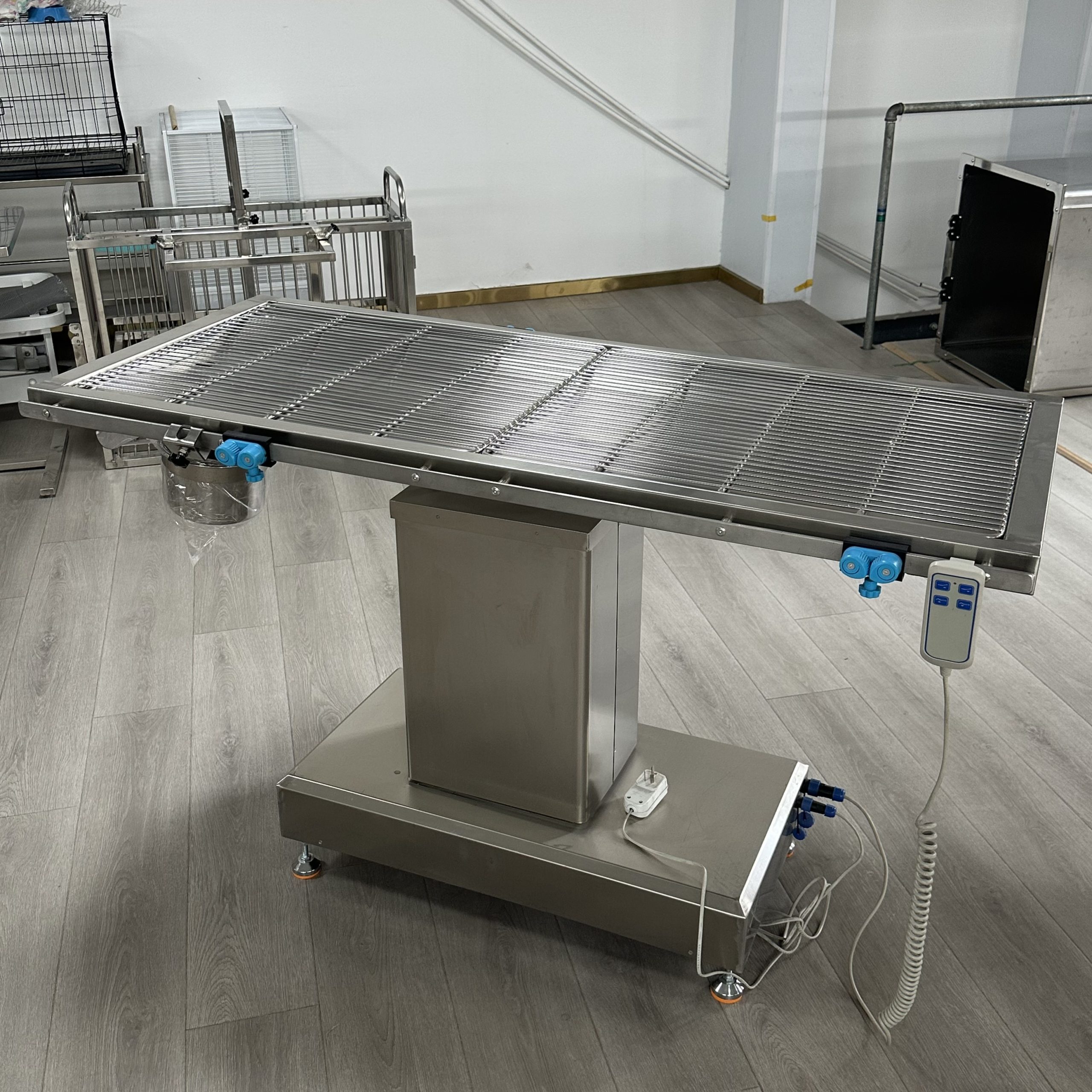
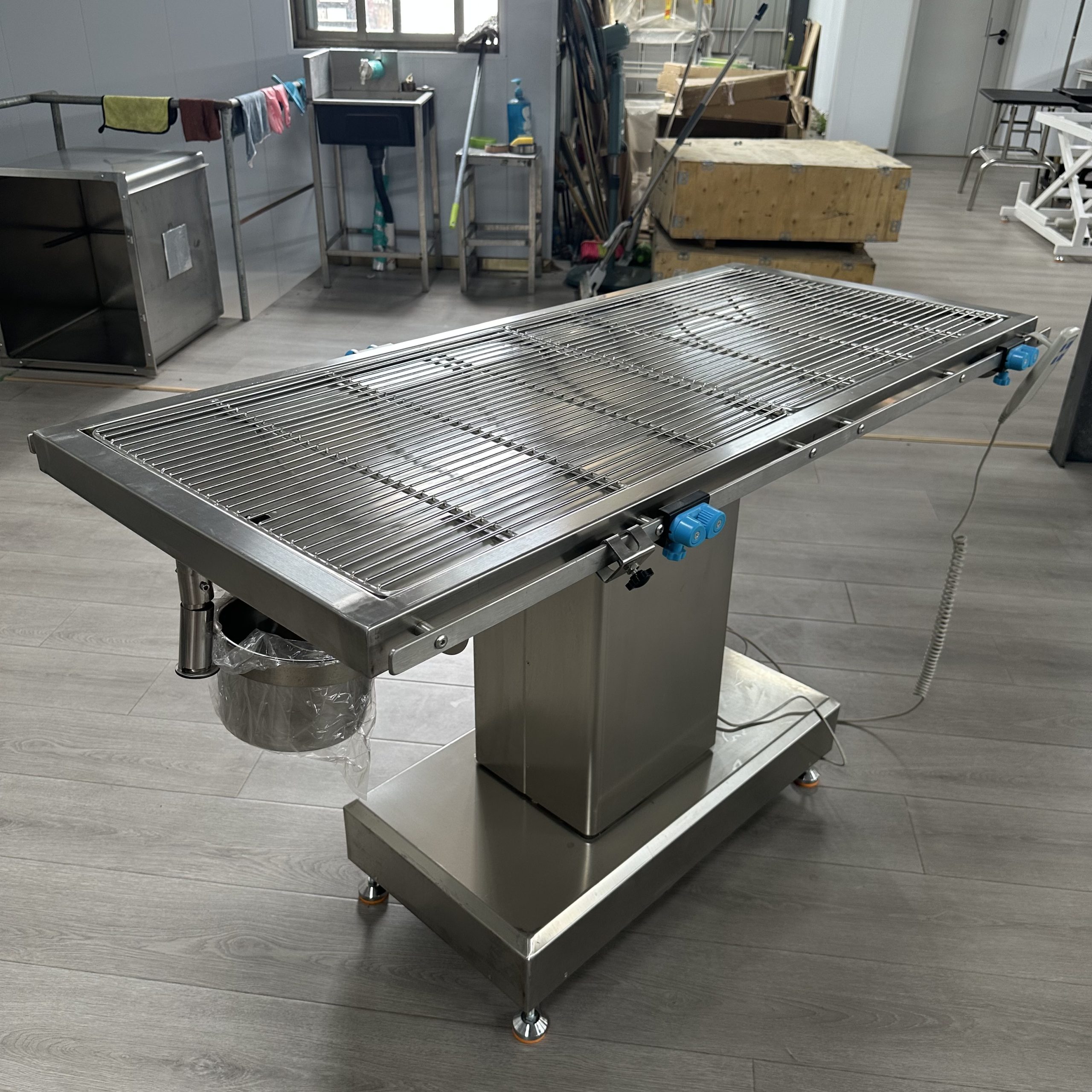
Among surgery-focused veterinary equipment, an adjustable table can become a useful foundation for a growing procedure room because table height, patient support, and surface access influence handling and staff posture. ClearSight’s operating-table category may include different adjustment methods, sizes, materials, and accessory arrangements. Buyers should begin with their procedure mix and room plan, then ask which currently available configuration best matches those requirements.
The support surface should be checked against the expected patient mix and the amount of space needed for positioning. The available adjustment range should be reviewed with the people who will use it, including staff who need seated access or who perform tasks at different sides of the table. Fluid-management features and cleaning surfaces should be evaluated against the practice’s infection-control procedure and the types of cases planned for the room.
Before selecting this veterinary equipment, request the drawing for the offered configuration, net and packed dimensions, rated load, power specification, control method, available positions, included accessories, surface finish, and service instructions. Also confirm whether any drainage connection is required and how liquids are removed. If the table will be moved through existing corridors or doors, check the delivery route as carefully as the final room layout.
Veterinary Surgical Lighting
Surgical lighting may be ceiling-mounted, mobile, or arranged with different light-head configurations. A ceiling-mounted system can preserve floor space, while a mobile option may provide flexibility when room construction or workflow changes. The right ClearSight category and configuration should be chosen from room geometry, the intended procedures, installation constraints, cleaning needs, and the way staff reposition the light during work.
Illumination is only one selection factor. Buyers should evaluate the intended field, light-head reach, positioning behavior, control range, shadow management, working distance, heat characteristics, and cleaning access. The relationship between the light and the operating table should be tested on a scaled room plan so that mounted or mobile components can move without colliding with walls, storage, ceiling services, or other equipment.
Installation is a separate workstream. The building team should review the ceiling structure, mounting detail, electrical connection, installation responsibility, and commissioning procedure. The final quotation should state which mounting components are included and whether local installation hardware or engineering work is required. For buyers importing veterinary equipment into Europe or North America, voltage, frequency, wiring, labeling, manuals, and the exact product documentation should be confirmed for the destination.
獣医用輸液ポンプ
Infusion pumps should be selected as part of a defined clinical workflow rather than from a catalog image. ClearSight can confirm the currently available pump configurations, compatible supplies, mounting arrangements, power options, and accessory scope for a buyer’s request. That confirmation matters because an apparently small accessory can determine whether a device can be placed and used as intended.
Procurement should begin with the practice’s approved infusion protocols and syringe range. The clinical and technical teams should request documentation covering compatible syringe types and sizes, operating modes, delivery performance, alarm behavior, battery operation, cleaning, preventive maintenance, and staff training. The purchasing record should identify every included accessory and the exact power configuration.
This product category should be evaluated as part of a controlled care process. No pump specification removes the need for patient assessment, appropriate monitoring, trained users, and the practice’s own clinical procedures. A buyer should avoid relying on a generic product photograph or category description when ordering infusion-related veterinary equipment; the final product identity, interface or software revision where applicable, accessories, manual, and acceptance tests should be explicit in the order documents.
ClearSight Diagnostic and Laboratory Solutions
Veterinary Endoscopy Systems
Within diagnostic veterinary equipment, endoscopy systems may combine imaging, display, illumination, recording, and compatible procedural components. ClearSight can confirm which system arrangements are currently available. The buyer should define the intended procedures, patient sizes, documentation workflow, reprocessing process, and service expectations before requesting a suitable configuration.
For a growing practice, an integrated display and recording workflow may help centralize image review and case documentation. The purchasing decision, however, must cover the complete system. Buyers should ask which endoscope components, cables, adapters, instruments, storage functions, and export options are included. They should also verify compatibility with the intended procedures and patient sizes, together with cleaning, disinfection, reprocessing, transport, and storage requirements.
Digital workflow deserves special attention. The practice should decide how recordings will be named, exported, secured, retained, and associated with the correct patient record. Any removable-media or data-export function is useful only when the clinic has a controlled process for data handling. Before adopting this veterinary equipment, involve both the clinical lead and the person responsible for information governance or practice systems.
Service planning matters because an imaging system depends on more than a display. Ask how faults are diagnosed, which parts are field-replaceable, how delicate components are packed, what maintenance is required, and what training materials are available. The final specification should distinguish standard components from optional scopes, accessories, and consumables.
獣医用遠心分離機
ClearSight’s centrifuge category may include different capacity, control, rotor, and container arrangements. Rather than tying the article to one current item, buyers should ask ClearSight to propose an available configuration against a written laboratory requirement. That requirement should state the sample types, container sizes, batch volume, target workflow, available bench space, utilities, cleaning expectations, and documentation needs.
The maximum capacity does not by itself define laboratory suitability. Buyers should start with the samples, container sizes, batch volume, protocols, and turnaround targets used by the practice. The selected rotor and adapters must match those requirements. The laboratory team should also review balancing instructions, lid and control behavior, cleaning access, power supply, noise and vibration expectations, ventilation clearance, and the bench’s ability to support the device.
A structured acceptance test for laboratory veterinary equipment can reduce uncertainty. After delivery and installation, authorized staff can verify the ordered rotor and accessories, inspect for transit damage, confirm the user interface and power configuration, and run the checks specified by the manufacturer before clinical use. Maintenance intervals and responsible personnel should be recorded from the start.
When evaluating laboratory veterinary equipment, buyers should request an order-specific list of supplied components rather than assume that every rotor or accessory shown in sales material is included. The purchase specification should also identify documentation, spare parts, packaging, and any destination-specific labeling required by the importer or facility.
ClearSight Critical Care and Recovery Solution
Oxygen-Therapy and Warming Systems
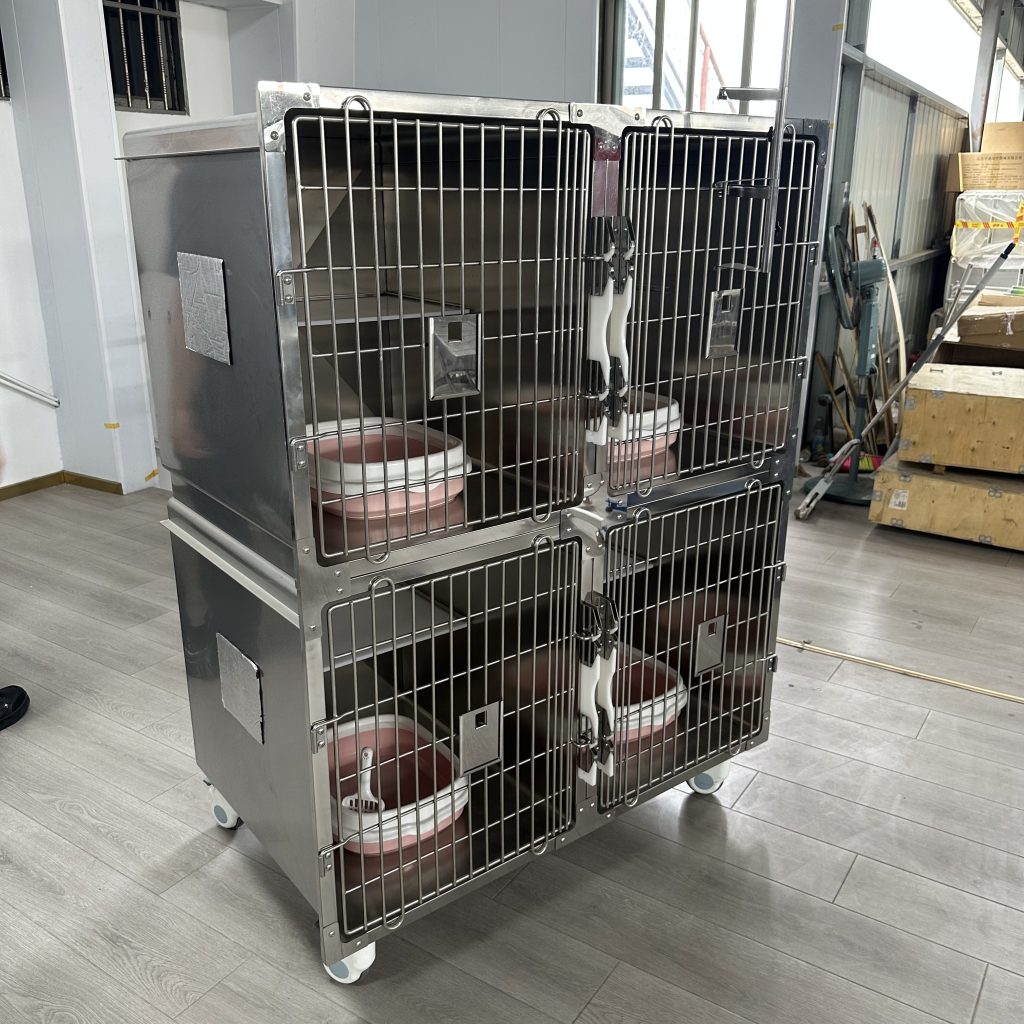
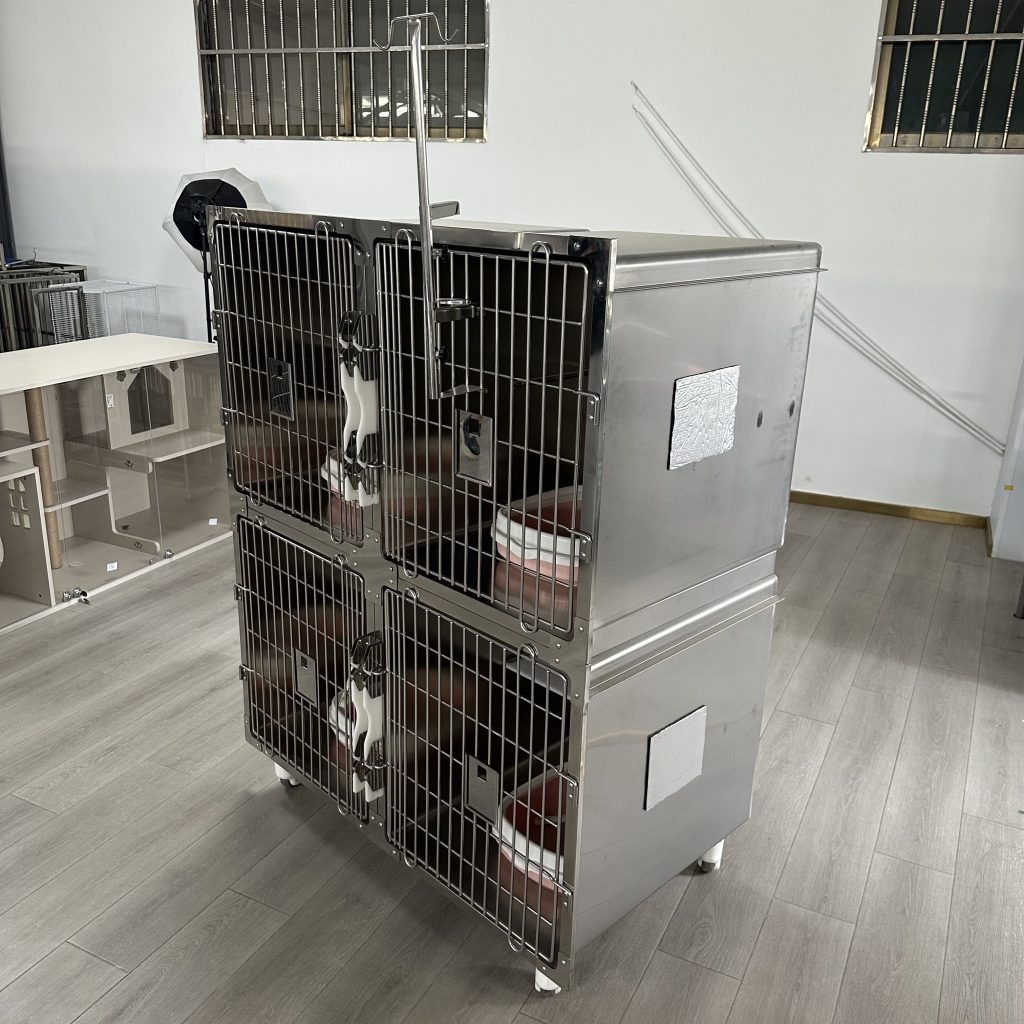
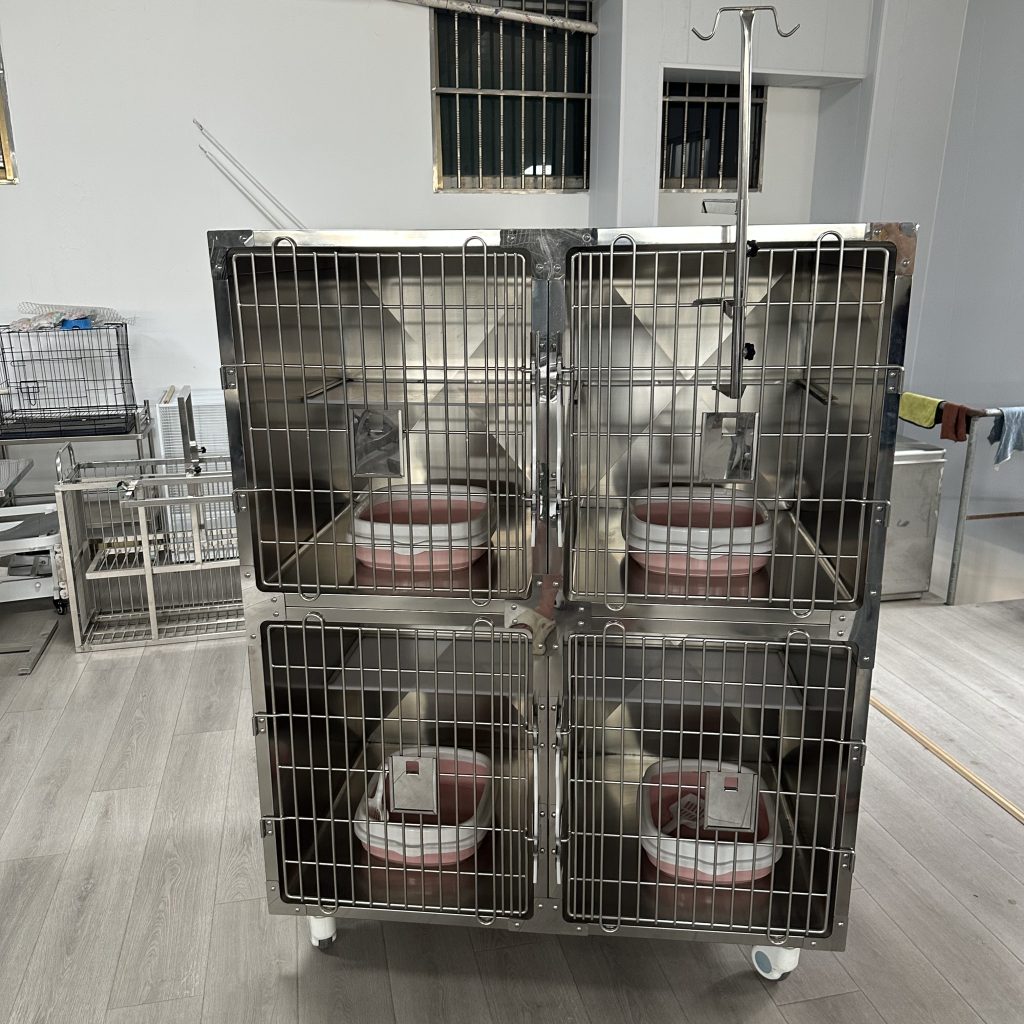
Within critical-care veterinary equipment, ClearSight offers categories intended for oxygen-therapy and warming applications. Available chamber arrangements, controls, interfaces, and heating approaches may change, so the article does not select a single catalog item. Buyers should instead define the supervised care pathway, patient mix, required capacity, monitoring plan, utilities, and available footprint before asking for a current solution.
This category can be considered when a practice needs organized recovery or supervised care capacity. The first question is not how many compartments fit in a cabinet. It is how the practice will supervise each patient, control environmental conditions, supply oxygen where required, respond to changes, prevent inappropriate use, and clean the equipment between occupants.
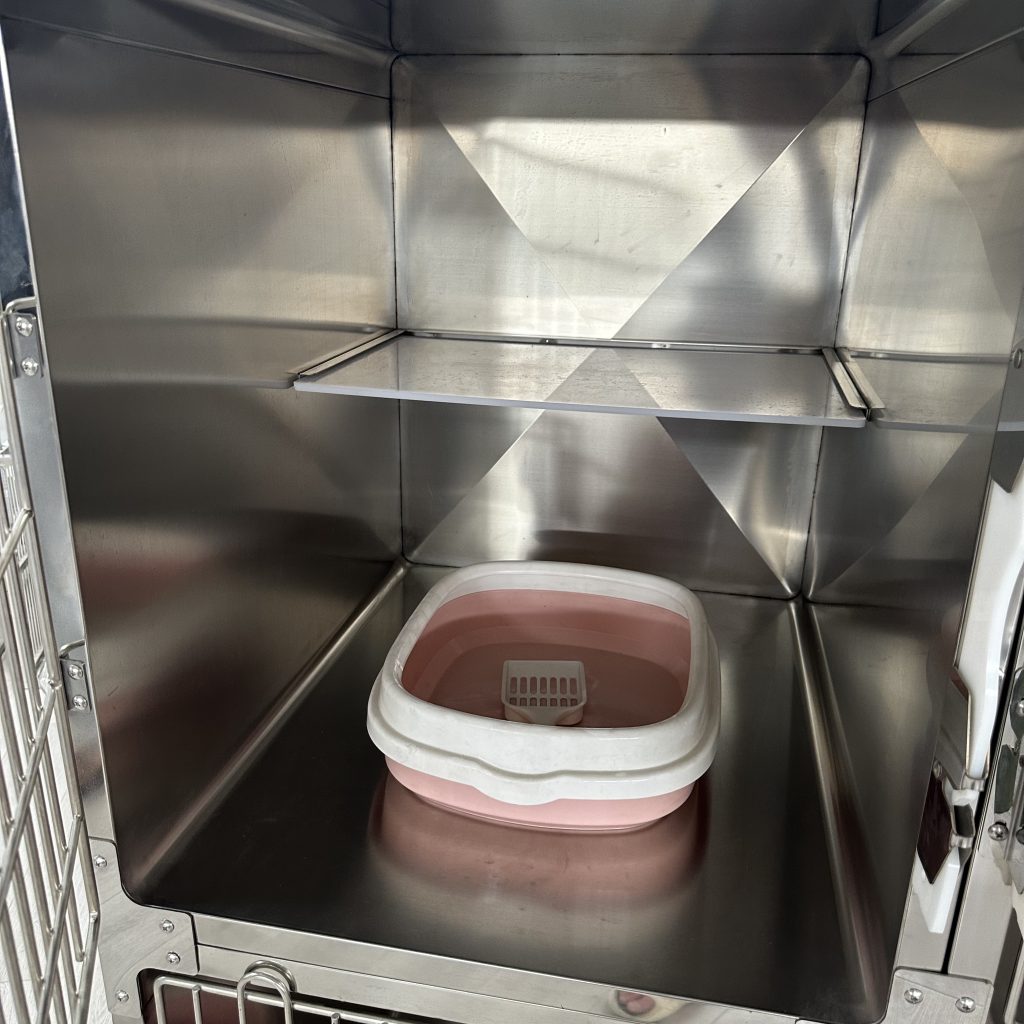
The buyer should request complete operating ranges, chamber dimensions, overall dimensions, power data, oxygen-source requirements, control logic, display accuracy information, heating settings, ventilation information, materials, cleaning instructions, alarms or other monitoring provisions, and emergency procedures. The practice should also define where separate monitoring devices will be placed if they are required by its protocol.
Facility review should cover heat dissipation, air movement, clearances, door swing, visibility, access to utilities, and the route for moving animals. When the offered system includes oxygen or heating functions, local technical and safety specialists should review the planned installation. Order-specific documentation and the applicable destination requirements should be confirmed before purchase rather than inferred from a general statement about veterinary equipment certification.
Oxygen-therapy or warming equipment should only be used within clinician-approved procedures and with trained supervision. Product selection cannot establish a treatment protocol. ClearSight can provide an equipment configuration, while the practice remains responsible for defining clinical use, monitoring, staffing, and local compliance.
Fit the Equipment to the Facility and Team
Even a well-specified product can underperform when the room and team are not ready. A facility-fit review should take place before the purchase order. It should include a scaled layout, utility schedule, delivery route, installation responsibilities, cleaning access, storage, service clearances, and any building work. This review is particularly important for ceiling-mounted lighting, large tables, and multi-bay oxygen or warming units.
Plan the Physical Workflow
Map the patient journey rather than viewing each room in isolation. Show entry, preparation, procedure, recovery, cleaning, and waste or instrument movement. Then position veterinary equipment so that clean and used items do not cross unnecessarily and staff can reach controls without obstructing one another. Include the full movement range of table tops, light arms, doors, drawers, trays, and mobile accessories.
Delivery planning should use packed dimensions and weights, not only product dimensions. Confirm loading access, lifts, corridors, turns, door widths, floor protection, and the people or lifting equipment needed to move the item safely. A product that fits the final room may still be impossible to deliver through an older building without advance planning.
Confirm Utilities and Environmental Conditions
Create a utility schedule for each selected product category and final configuration. Record voltage, frequency, plug or hard-wiring requirements, power consumption, protective devices, grounding, oxygen connection, ventilation, drainage, network or data needs, and permitted operating environment. Do not assume that a standard configuration for one market will be suitable for another.
The schedule should also identify who provides each connection and who signs off the installation. For imported veterinary equipment, the manufacturer, buyer, installer, building team, and local service provider may each own a different part of the work. Written responsibility prevents gaps between delivery and commissioning.
Prepare Users and Maintenance Owners
Training should be matched to roles. Clinical users need the approved operating and safety process. Cleaning staff need product-specific cleaning restrictions. Technical or facilities staff need maintenance, inspection, and fault-escalation information. Procurement staff need a controlled record of serial numbers, warranty terms, included accessories, manuals, certificates, and supplier contacts.
Set an equipment owner for every product before it arrives. That person does not need to perform every task, but should make sure training, daily checks, cleaning, service, and document retention have named owners. This is how a capital purchase becomes a reliable operational asset.
Procurement Checklist for Europe and North America
Cross-border buyers need a purchase specification that is more precise than a catalog page. Requirements differ by product category, chosen configuration, intended use, destination, and importer responsibility. The safest approach is to ask for order-specific evidence and have the appropriate local specialists review it before the order is placed.
Verify the Exact Commercial Scope
The quotation should state the manufacturer or seller name, exact ordered product, revision where relevant, quantity, finish, dimensions, voltage, plug or wiring, language, included accessories, optional accessories, spare parts, packaging, lead time, delivery term, installation scope, training, warranty, and after-sales process. Any customized size, color, private label, or package should be described in an approved drawing or specification.
ClearSight states that OEM and ODM options may include size, color, logo, and packaging customization. Those capabilities can be useful for distributors, chain practices, and multi-site projects, but customization must remain compatible with technical and documentation requirements. A cosmetic or dimensional change should not be treated as automatically approved until the revised specification is reviewed.
Request Order-Specific Documents
Buyers should request the exact documents applicable to each ordered product and verify that the product identity, specifications, and intended destination align. A general certificate image, unrelated product file, or category-level statement is not a substitute for an order-specific review. Any claim about conformity documents should be confirmed for the final item rather than inferred from a different catalog listing.
The documentation pack may need to include the final specification, operating manual, installation instructions, maintenance information, packing list, labels, test or inspection records, and applicable declarations or certificates. The required set depends on the product and market. European and North American buyers should have their importer, compliance professional, or other qualified adviser confirm what applies to their transaction.
Define Inspection and Acceptance
Acceptance criteria make quality expectations measurable. Before shipment, the buyer can agree on identity checks, dimensions, finish, accessories, controls, power configuration, labeling, packaging, and documented functional tests. Photo or video evidence can support the review, but it should not replace any required inspection or testing.
On arrival, the receiving team should check the package and product against the purchase record before installation. After installation, authorized personnel should complete the manufacturer’s prescribed checks and the buyer’s approved acceptance plan. Any discrepancy should be documented before clinical use.
Cross-Border Procurement Matrix
| Requirement area | What the buyer should specify | What to obtain from ClearSight | Internal owner |
| Product identity | Exact ordered name, revision where relevant, quantity and approved configuration | Quotation, specification, drawings and component list | Procurement lead |
| Destination fit | Voltage, frequency, connection, language, labels and environmental limits | Destination-specific configuration confirmation | Facilities and compliance |
| Documentation | Required manuals, declarations, certificates, inspection records and packing documents | Order-specific document pack | Importer or compliance lead |
| Installation | Site readiness, mounting, connections, tools, commissioning and responsibility | Installation drawing, requirements and scope statement | Facilities or local installer |
| Clinical adoption | Intended workflow, approved procedures, training and supervision | User materials and available training information | Clinical lead |
| Maintenance | Daily checks, preventive maintenance, service route, spare parts and warranty | Maintenance instructions, warranty and parts proposal | Equipment owner |
| Acceptance | Pre-shipment and post-installation checks with pass criteria | Inspection evidence and agreed test information | Quality or project lead |
This matrix can be converted into a request-for-quotation checklist. It gives ClearSight enough detail to confirm a suitable configuration and gives the buyer a record that can be reviewed by clinical, facilities, procurement, and compliance stakeholders.
Why ClearSight Fits a Phased Growth Strategy
ClearSight presents itself as a manufacturer and B2B supplier of pet medical and grooming products based in Shandong, China. The company states that it was founded in 2020 and operates a workshop of more than 5,000 square meters with a team of more than 40 staff. Its site describes factory-direct supply, quality inspection, OEM and ODM support, and service for clinics, hospitals, distributors, importers, and chain buyers in international markets.
For a growing practice, the main advantage of a broad portfolio is coordination. Buyers can discuss multiple workflow modules with one supplier while still evaluating every final selection on its own evidence. A surgical room may require a table and light first; laboratory or imaging capacity may follow; a critical-care module may be added when staffing, protocols, and facility systems are ready. The supplier relationship can therefore develop alongside the practice rather than forcing a single large purchase.
ClearSight’s veterinary equipment range spans operating tables, surgical lighting, diagnostic products, centrifuges, infusion support, and oxygen-therapy or warming systems. That breadth is useful during planning because it supports a conversation about application and configuration at the category level. It does not remove the need for a technical review, and it should not lead buyers to assume that every offered product shares the same documents, accessories, or delivery conditions.
OEM and ODM support may be relevant to distributors and multi-site groups that need consistent labeling, packaging, dimensions, or appearance. A controlled customization process should include an approved drawing, sample or prototype where appropriate, change record, final specification, and confirmation of how the change affects documentation, installation, maintenance, and lead time.
The best supplier relationship is transparent. A buyer should provide accurate requirements and ask ClearSight to identify assumptions, exclusions, optional items, and confirmation points. ClearSight should then be able to quote a defined scope. This reduces avoidable changes and gives both sides a clearer basis for production, inspection, shipping, receiving, and after-sales communication.
Put the Roadmap into Action
A phased plan turns strategy into manageable decisions. The timing should follow readiness rather than a fixed calendar, but three planning horizons are useful.
Immediate Capacity Relief
Begin with the bottleneck that is already measurable. If procedure-room ergonomics or positioning is limiting work, evaluate the operating-table category. If lighting and floor congestion are the constraint, review suitable surgical-lighting arrangements and the room’s structural readiness. If in-house sample processing is creating delays, define the laboratory protocol and assess a centrifuge configuration with the correct rotor.
At this stage, keep the project narrow. Confirm the workflow, product, facility fit, budget, documents, service plan, and acceptance test. Successful adoption of one module gives the practice a repeatable method for later veterinary equipment purchases.
Service Expansion
The next phase can add capability once demand, staff preparation, and support systems are established. An endoscopy system may be evaluated when the practice has defined intended procedures, compatible components, reprocessing, training, and image management. An infusion pump may be considered within approved infusion protocols and with clear accessory, performance, and monitoring requirements.
These purchases should be linked to a service-development plan. Forecast case volume, training time, consumables, maintenance, room occupancy, and the point at which the service becomes operationally sustainable. A structured veterinary equipment review creates a more durable decision than selecting from a headline price without considering operational fit.
Critical Care and Multi-Site Standardization
Advanced expansion may include a supervised oxygen-therapy and warming workflow or a standardized package across several locations. The relevant veterinary equipment category can be reviewed when the clinical protocol, staffing plan, utilities, environmental controls, and facility layout are ready. Multi-site buyers can also create a master specification with approved options so that each location receives a consistent configuration while documenting any local variation.
Standardization should include more than a product name. Record the approved configuration, accessories, manuals, training, cleaning supplies, spare parts, maintenance intervals, acceptance tests, labels, and destination-specific electrical details. A well-controlled standard makes future procurement faster without lowering the quality of review.
If you need pet medical and grooming equipment or other services, please contact us!
メールアドレス:chengguanaurora@163.com
Whatsapp:+86 150 6970 3696
Facebook:https://www.facebook.com/profile.php?id=61574370540735&locale=zh_CN
Conclusion
Growing practices need an equipment strategy that connects clinical ambition with operational readiness. The right sequence begins with demand and bottlenecks, groups products into complete workflow modules, verifies order-specific evidence, and prepares the facility and team before delivery. This creates a stronger foundation than buying individual devices in response to short-term pressure.
ClearSight Veterinary Equipment Solutions cover several stages of practice development. Operating tables and surgical lighting can support procedure-room planning; infusion pumps can be assessed within a controlled treatment workflow; endoscopy systems and centrifuges can support diagnostic expansion; and oxygen-therapy or warming systems can be evaluated for supervised care and recovery capacity. The category-level wording keeps the plan useful even when individual listings change.
The practical next step is to create a requirement sheet for the first priority module. Include intended use, expected volume, room dimensions, utilities, desired product category, configuration requirements, accessories, documents, installation, training, maintenance, and acceptance criteria. ClearSight can then respond with a current, defined procurement proposal, while the buyer retains control over local clinical, technical, and compliance decisions.
よくある質問
What veterinary equipment should a growing practice buy first?
Start with the bottleneck that is already affecting capacity, consistency, or staff workflow. A practice with increasing procedures may prioritize a suitable operating table or lighting upgrade. A clinic experiencing laboratory delays may first define its sample-processing needs and evaluate a centrifuge. The first purchase should have a clear use case, prepared facility, trained users, and measurable acceptance criteria rather than simply being the most advanced product in a catalog.
How should buyers verify ClearSight product specifications before ordering?
Request an order-specific quotation, specification, drawings where relevant, complete component and accessory list, electrical information, manuals, maintenance requirements, packaging details, and the documents required for the destination. Put all agreed details in the purchase specification. Category descriptions can guide the discussion, but the final order documents should control the supplied configuration.
Can ClearSight veterinary equipment be customized?
ClearSight states that OEM and ODM options may include size, color, private labeling, and packaging. Availability depends on the product and order. Buyers should request an approved drawing or written specification for every change and confirm its effect on commercial terms, lead time, installation, service, documentation, and product performance before production.
What should European and North American buyers check?
Confirm the exact ordered product, voltage, frequency, connection or plug, labels, manual language, installation requirements, packaging, and order-specific documentation. Requirements vary by product, intended use, destination, and importer role, so the buyer should have the appropriate local compliance or technical professional review the document pack. Do not assume that a general statement or certificate applies to every offered item.
How can a phased buying plan reduce expansion risk?
A phased plan lets the practice solve one verified constraint, train staff, validate the facility, and learn from acceptance and maintenance before adding the next module. It also spreads capital commitments and makes dependencies visible. Each phase should still follow the same requirement, documentation, installation, training, and acceptance process so that growth remains controlled and repeatable.